
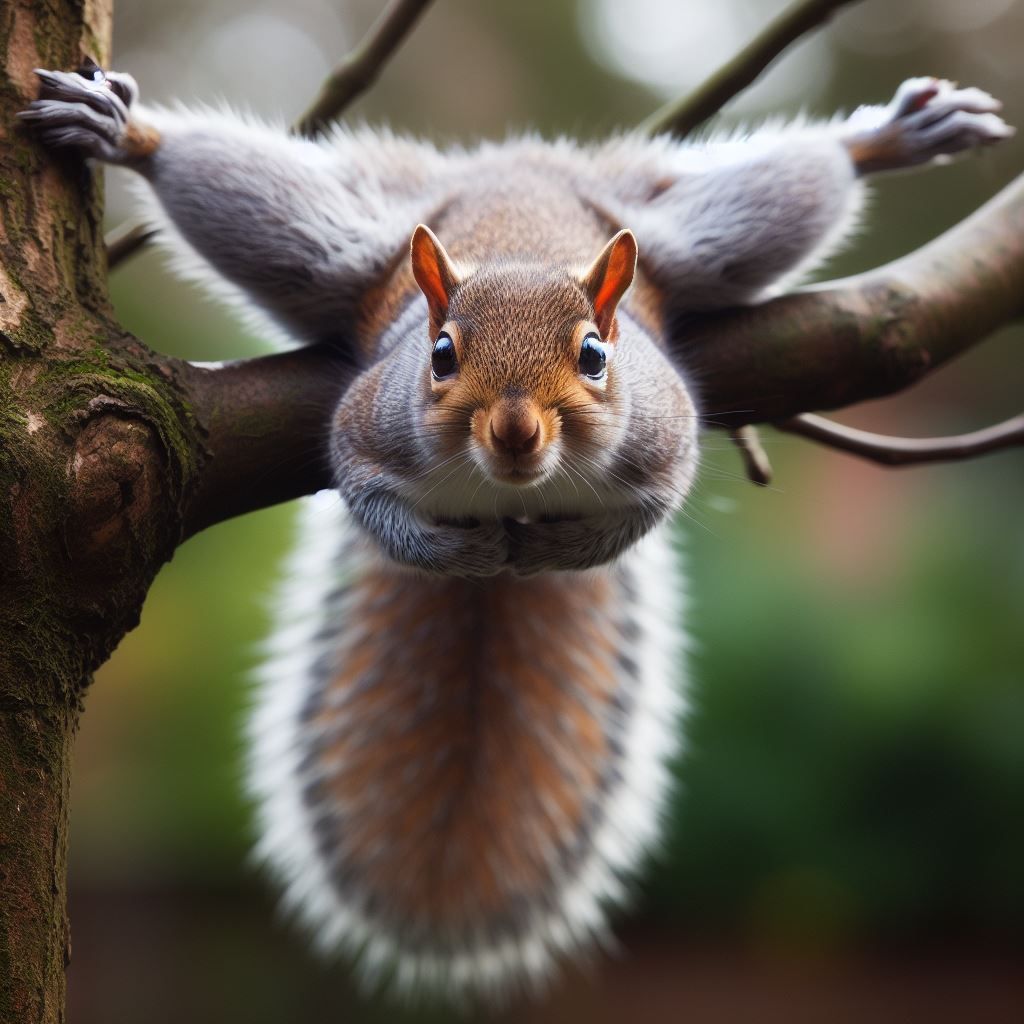
The concept of wildlife pornography might sound like an oxymoron, but it has become a fascinating and controversial topic within the realm of nature photography and conservation. With stunning visuals and a growing online audience, the art of capturing wildlife in intimate, sensual, and sometimes explicit moments is both a celebrated form of artistic expression and a subject of ethical debate. This article explores the rise of wildlife pornography, its impact on conservation efforts, and the ethical considerations that surround this unique genre.
The Allure of Wildlife Pornography: A New Frontier in Nature Photography
Wildlife pornography, a term coined to describe explicit and sexually charged images of animals, has gained traction in recent years, pushing the boundaries of traditional nature photography. While nature photography has long celebrated the beauty and majesty of the natural world, this new genre takes a different approach, focusing on the intimate and often hidden lives of animals.
The allure lies in the rarity and rawness of these moments. Photographers seek to capture the essence of animal behavior, from the delicate courtship rituals of birds to the passionate encounters of mammals. These images, often captured in remote and challenging environments, offer a glimpse into the private lives of wildlife, revealing behaviors that are rarely witnessed by human eyes.
The rise of social media and online platforms has provided a perfect stage for wildlife pornography. With a global audience at their fingertips, photographers can share their most intimate and stunning captures, reaching a wider audience than ever before. The popularity of these images has sparked a new interest in nature and conservation, with many viewers captivated by the beauty and vulnerability of the animal kingdom.
However, this genre is not without its critics. The ethical implications of wildlife pornography are a subject of ongoing debate, raising questions about the impact on animal welfare, the potential disruption of natural behaviors, and the role of photographers in conservation.
One of the key ethical considerations is the potential harm caused to animals during the pursuit of these intimate shots. Some photographers may employ invasive techniques or cause disturbances to achieve the desired results, which can stress or harm the animals involved. Additionally, the focus on sexual behavior can detract from the broader conservation message, reducing complex ecological issues to sensationalized visuals.
Despite the controversies, wildlife pornography has the potential to drive important conversations about conservation and animal rights. By showcasing the beauty and fragility of wildlife, these images can inspire a deeper connection with nature and motivate individuals to take action. Many photographers argue that their work raises awareness and funds for conservation efforts, providing a unique perspective on the value of protecting our natural world.
As the genre continues to evolve, it is essential to strike a balance between artistic expression and ethical responsibility. Photographers must prioritize the welfare of the animals they capture, ensuring that their work does not cause harm or disrupt natural behaviors. Additionally, viewers must approach these images with critical thinking, understanding the context and implications of what they are witnessing.
Wildlife pornography, with its stunning visuals and thought-provoking nature, offers a unique window into the world of animals. While it may challenge traditional conservation narratives, it has the power to engage and educate a diverse audience, fostering a deeper appreciation for the natural world and the need to protect it.
nature photography, conservation efforts, animal behavior, ethical considerations, wildlife intimacy, animal welfare, conservation impact, controversial photography, wildlife art, visual impact, photographer responsibility
The Evolution of Wildlife Photography: From Documenting to Sensationalizing

Wildlife photography has undergone a significant transformation over the years, shifting from a purely documentary practice to one that embraces artistic expression and, in some cases, sensationalism. The traditional role of wildlife photographers was to document and capture the beauty of nature, providing a window into the lives of animals and their habitats.
Early wildlife photographers, such as Ansel Adams and Eliot Porter, focused on showcasing the grandeur of landscapes and the harmony of animals within their environments. Their work aimed to educate and inspire, highlighting the need for conservation and the value of preserving natural spaces. These photographers used their skills to capture the essence of nature, often with a sense of reverence and respect.
However, as photography technology advanced and social media platforms emerged, the landscape of wildlife photography began to change. Photographers, armed with powerful cameras and editing tools, started pushing the boundaries of what was considered acceptable in nature photography. The rise of wildlife pornography is a direct result of this evolution, as photographers sought to differentiate their work and capture the attention of a broader audience.
The shift towards sensationalism in wildlife photography can be attributed to several factors. Firstly, the competition among photographers has intensified, with many seeking to stand out in a crowded field. By capturing intimate and explicit moments, photographers can create a buzz and gain recognition for their work. Secondly, the demand for visually striking and shareable content on social media has driven photographers to seek more dramatic and eye-catching subjects.
While the evolution of wildlife photography has brought about a new level of artistic expression, it has also raised concerns. The line between capturing natural behaviors and staging or manipulating scenes has become increasingly blurred. Some photographers have been accused of using unethical practices, such as baiting animals or manipulating their surroundings, to create more dramatic images. This not only raises ethical questions but also undermines the credibility of the entire genre.
Despite the challenges, the evolution of wildlife photography has also led to important conversations about the role of photographers in conservation. Many photographers are now using their platforms to raise awareness about environmental issues, highlighting the impact of human activities on wildlife and their habitats. By combining artistic expression with a conservation message, these photographers are able to engage and educate a wider audience, making a positive impact on the natural world.
As the field of wildlife photography continues to evolve, it is essential for photographers to maintain a sense of responsibility and integrity. By prioritizing ethical practices and using their art to advocate for conservation, photographers can ensure that their work has a positive and lasting impact on the natural world they seek to capture.
photography evolution, documentary photography, artistic expression, wildlife conservation, social media impact, ethical photography, conservation photography, wildlife ethics, natural behavior, photography credibility
Capturing Intimacy: The Techniques and Challenges of Wildlife Pornography
The art of wildlife pornography requires a unique set of skills and techniques, as photographers strive to capture intimate moments between animals. These moments, often fleeting and unpredictable, present a range of challenges that require patience, persistence, and a deep understanding of animal behavior.
One of the primary techniques employed by wildlife pornography photographers is patience. They spend countless hours, days, or even weeks waiting in remote locations, observing and studying the behavior of their subjects. By understanding the patterns and habits of the animals, photographers can anticipate potential intimate moments and position themselves for the perfect shot.
Advanced camera equipment plays a crucial role in capturing these intimate scenes. High-quality lenses with long focal lengths allow photographers to maintain a safe distance, minimizing the risk of disturbing the animals. Additionally, cameras with fast shutter speeds and low-light capabilities are essential for capturing sharp images in low-light conditions, which are often present during intimate encounters.
Another technique involves using remote cameras or camera traps. These devices, triggered by motion or heat sensors, allow photographers to capture spontaneous and unstaged moments. By setting up multiple cameras in strategic locations, photographers can increase their chances of capturing rare and intimate behaviors without the need for constant presence.
Despite the advanced technology, the challenges of wildlife pornography are numerous. The unpredictable nature of animal behavior means that photographers often face long periods of waiting with no guarantee of success. Additionally, the remote and often dangerous environments in which these animals live present their own set of obstacles, from extreme weather conditions to the potential for encounters with aggressive wildlife.
The ethical considerations surrounding wildlife pornography also pose challenges. Photographers must navigate the fine line between capturing natural behaviors and interfering with the animals' lives. Invasive techniques, such as baiting or luring animals, are frowned upon and can lead to ethical scrutiny. The responsibility of photographers to prioritize animal welfare and respect their subjects is paramount.
Despite the challenges, the rewards of wildlife pornography are immense. The images captured can provide a unique insight into the private lives of animals, showcasing their beauty, vulnerability, and complexity. By sharing these intimate moments, photographers can inspire a deeper connection with nature and motivate individuals to support conservation efforts.
intimate wildlife photography, camera techniques, animal behavior, ethical wildlife photography, remote camera traps, wildlife behavior observation, wildlife intimacy challenges, conservation photography, wildlife vulnerability, animal welfare
The Impact of Wildlife Pornography on Conservation: A Double-Edged Sword
The rise of wildlife pornography has had a significant impact on conservation efforts, presenting a complex and multifaceted relationship. On one hand, these explicit and intimate images have the power to captivate and engage a wide audience, raising awareness about the beauty and fragility of the natural world. By showcasing the sensual and intimate aspects of animal behavior, wildlife pornography can inspire a sense of awe and wonder, motivating individuals to take an interest in conservation.
Many photographers and conservation organizations have capitalized on the popularity of wildlife pornography to raise funds and support conservation projects. The stunning visuals and emotional impact of these images can attract donations and sponsorships, providing much-needed resources for research, habitat preservation, and wildlife protection. The ability to connect with a global audience through social media and online platforms has amplified the reach and impact of these conservation efforts.
However, the impact of wildlife pornography on conservation is not solely positive. The focus on sensational and explicit content can overshadow the broader ecological issues and complex conservation challenges. By prioritizing visually appealing moments, wildlife pornography may detract from the urgent need to address habitat loss, climate change, and other environmental threats that are less photogenic but equally, if not more, critical.
Furthermore, the ethical concerns surrounding wildlife pornography can undermine its potential as a conservation tool. The use of invasive techniques, the potential for animal harm, and the disruption of natural behaviors raise questions about the legitimacy of this genre. If photographers prioritize sensationalism over ethical considerations, it can lead to a loss of trust and credibility, hindering the impact of their work on conservation efforts.
To maximize the positive impact of wildlife pornography on conservation, it is essential for photographers and conservation organizations to strike a balance. The focus should be on capturing intimate moments that showcase the beauty and complexity of animal behavior while also highlighting the broader ecological context. By combining visually stunning images with educational content and conservation messaging, photographers can ensure that their work contributes to a deeper understanding and appreciation of the natural world.
Additionally, photographers should prioritize ethical practices and transparency. By openly discussing the methods and considerations behind their work, they can engage in meaningful conversations about the role of wildlife pornography in conservation. This transparency can build trust and encourage a more critical and thoughtful approach to the genre, ensuring that it remains a powerful tool for conservation rather than a mere spectacle.
wildlife pornography impact, conservation efforts, conservation awareness, wildlife funding, ecological issues, conservation challenges, ethical wildlife photography, conservation education, conservation messaging, wildlife photography ethics
The Ethical Debate: Balancing Artistic Expression and Animal Welfare
The ethical debate surrounding wildlife pornography revolves around the delicate balance between artistic expression and animal welfare. While photographers argue that their work showcases the beauty and intimacy of animal behavior, critics raise concerns about the potential harm and disruption caused by invasive techniques and the pursuit of sensational images.
One of the key ethical considerations is the impact of wildlife pornography on the animals themselves. Critics argue that the focus on capturing explicit and intimate moments can lead to stress, disturbance, and even harm to the animals involved. The use of baiting, luring, or other invasive methods to elicit desired behaviors can have negative consequences for the animals' well-being and natural behavior patterns.
Additionally, the potential for disruption of natural behaviors is a significant concern. Wildlife pornography often involves capturing animals during their most private and vulnerable moments, such as mating or caring for their young. Disturbing these natural processes can have long-term effects on the animals' survival and reproductive success, impacting the overall health of the population.
Photographers, on the other hand, defend their practices by emphasizing the importance of artistic expression and the potential for wildlife pornography to raise awareness and support conservation efforts. They argue that by showcasing the beauty and complexity of animal behavior, they can inspire a deeper connection with nature and motivate individuals to take action.
To navigate this ethical debate, it is crucial for photographers to adopt a responsible and considerate approach. This includes prioritizing the welfare of the animals above all else, ensuring that their practices do not cause harm or disrupt natural behaviors. Photographers should also be transparent about their methods, openly discussing the considerations and challenges they face in capturing these intimate moments.
Furthermore, the role of conservation organizations and experts in guiding and regulating wildlife pornography practices cannot be overstated. By setting ethical standards and providing guidance, these organizations can help photographers navigate the ethical complexities of their work. Collaboration between photographers, conservationists, and animal welfare experts can lead to a more sustainable and responsible approach to wildlife pornography, ensuring that the genre remains a positive force for conservation.
ethical wildlife photography, animal welfare, conservation impact, artistic expression, wildlife behavior, ethical considerations, photographer responsibility, conservation collaboration, animal welfare standards, wildlife photography guidelines
Frequently Asked Questions (FAQ)
How do photographers capture such intimate moments without disturbing the animals?
+Photographers employ various techniques to capture intimate moments without disturbing the animals. This includes extensive observation and understanding of animal behavior, using remote cameras or camera traps, and maintaining a safe distance with high-quality lenses. The key is patience and a deep respect for the animals' natural behaviors.
What are the potential risks and challenges faced by photographers in wildlife pornography?
+Photographers face numerous challenges, including the unpredictability of animal behavior, long waiting periods with no guarantee of success, and the potential for dangerous encounters in remote locations. Additionally, ethical considerations and the risk of harming or disturbing the animals are constant concerns.
How does wildlife pornography contribute to conservation efforts?
+Wildlife pornography can raise awareness and funds for conservation projects by captivating a wide audience with stunning visuals. However, the focus on sensational content must be balanced with educational messaging to ensure a holistic understanding of conservation challenges.
What are the key ethical considerations in wildlife pornography?
+Ethical considerations include the potential harm to animals, disruption of natural behaviors, and the use of invasive techniques. Photographers must prioritize animal welfare and transparency to maintain the legitimacy and impact of their work in conservation.
How can photographers strike a balance between artistic expression and ethical responsibility in wildlife pornography?
+Photographers should prioritize animal welfare, adopt transparent practices, and collaborate with conservation organizations to ensure their work aligns with ethical standards. Balancing artistic expression with ethical responsibility is crucial for the long-term sustainability of wildlife pornography as a conservation tool.
In conclusion, the art of wildlife pornography presents a unique and controversial intersection of nature photography and conservation. While it has the potential to captivate audiences and drive important conversations about conservation, it also raises ethical concerns and challenges. By understanding the techniques, impact, and ethical considerations of wildlife pornography, we can appreciate its artistic value while advocating for responsible practices that prioritize animal welfare and the broader goals of conservation.
wildlife pornography ethics, nature photography, conservation impact, wildlife behavior, artistic expression, ethical wildlife photography, animal welfare, conservation engagement, photography responsibility, conservation messaging
