

The ancient art of massage therapy has deep roots in Indian culture, with various techniques evolving over centuries. This article delves into seven of the most prominent Indian massage styles, exploring their unique characteristics, benefits, and historical significance. From the holistic approach of Ayurveda to the energetic focus of Marma Therapy, each technique offers a distinct pathway to relaxation, healing, and enhanced well-being.
Ayurvedic Massage: Holistic Healing
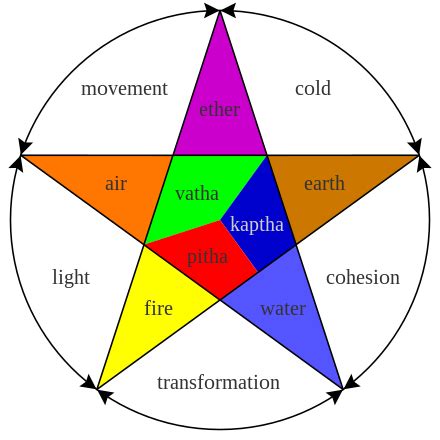
At the core of Ayurvedic medicine is the concept of balancing the body’s doshas—Vata, Pitta, and Kapha. Ayurvedic massage, known as Abhyanga, is a comprehensive practice that aims to restore this balance. Using warm herbal oils tailored to an individual’s dosha, the massage not only relaxes muscles but also nourishes the skin, promotes lymphatic drainage, and supports the body’s natural detoxification processes. The slow, rhythmic strokes of Abhyanga can significantly reduce stress, improve circulation, and enhance overall vitality.
Benefits and Applications
Ayurvedic massage is particularly effective for individuals seeking a personalized, holistic treatment. It can alleviate chronic pain, improve sleep quality, and boost the immune system. The use of specific oils and herbs makes each massage unique, catering to an individual’s specific needs and constitutional type. Additionally, the gentle yet profound nature of this massage style makes it suitable for people of all ages and health conditions, offering a sense of relaxation and rejuvenation.
| Dosha | Herbal Oils |
|---|---|
| Vata | Sesame, Almond |
| Pitta | Coconut, Sunflower |
| Kapha | Mustard, Castor |
Marma Therapy: Energy Awakening
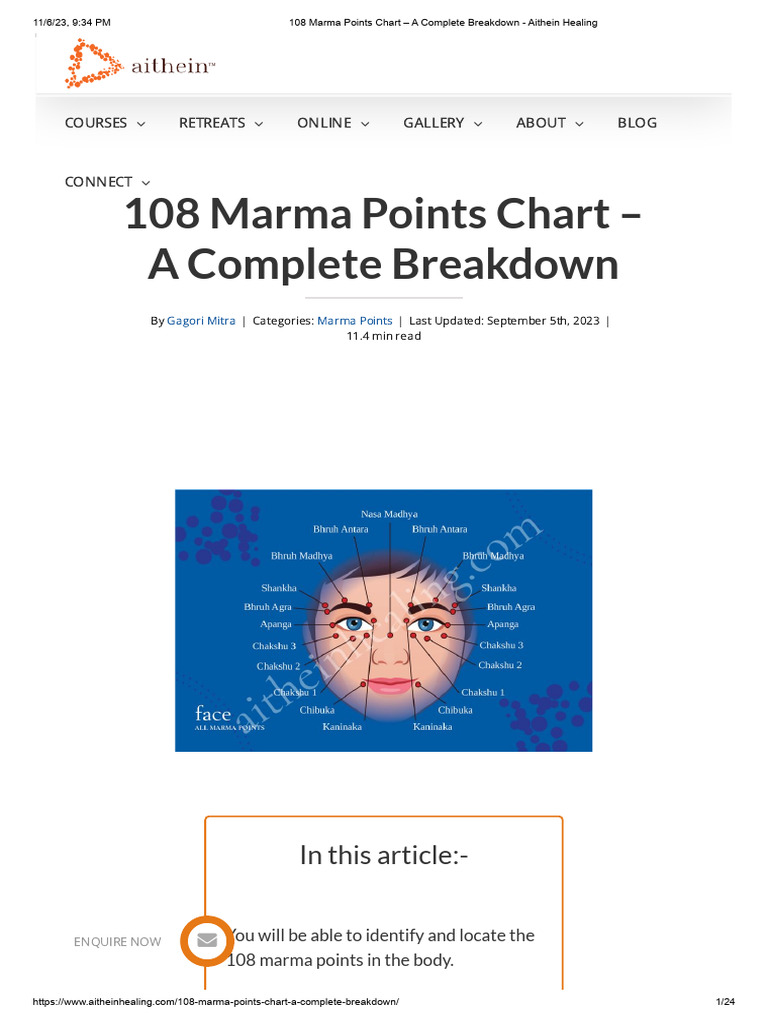
Marma Therapy, or Marmachikitsa, is a powerful technique rooted in Ayurvedic principles, focusing on the body’s marma points—vital energy centers similar to those in acupuncture. These points are believed to be gateways to the body’s subtle energy system, and their stimulation through massage can facilitate the flow of prana (life force energy). Marma Therapy is precise and potent, often combined with herbal poultices and oils to enhance the healing process.
Techniques and Applications
Marma Therapy is a highly skilled practice, requiring in-depth knowledge of the body’s energy pathways. Practitioners use specific hand techniques to apply pressure to marma points, releasing blockages and restoring energy flow. This therapy is particularly effective for treating chronic conditions, managing stress, and improving mental clarity. The pressure applied during the therapy can vary from gentle to firm, depending on the individual’s needs and the location of the marma point.
One notable aspect of Marma Therapy is its ability to address emotional and psychological issues, making it a holistic approach to wellness. By working with the body's energy system, practitioners can help individuals release emotional blocks and promote a sense of balance and harmony.
| Marma Point | Location |
|---|---|
| Hridaya Marma | Center of the chest |
| Kshipra Marma | Nape of the neck |
| Krikatika Marma | Base of the throat |
Champi: The Art of Scalp Massage
Champi, an age-old Indian tradition, revolves around the art of scalp massage. Often referred to as the “Indian head massage,” Champi is a rejuvenating practice that stimulates the scalp, neck, face, and shoulders. This technique is not only relaxing but also promotes healthy hair growth and can help alleviate headaches, sinus congestion, and stress-related conditions. The gentle yet firm strokes of Champi can induce a deep sense of calm and improve blood circulation to the head and neck regions.
Benefits and Cultural Significance
Champi holds a special place in Indian culture, with its roots tracing back to traditional barber shops. Over time, it has evolved into a therapeutic practice, offering a range of health benefits. Regular Champi sessions can improve scalp health, reduce hair fall, and enhance hair texture. Additionally, the massage’s focus on the head, a vital energy center, can have a profound impact on mental clarity and emotional well-being. In many Indian households, Champi is a common practice, passed down through generations as a way to promote relaxation and bonding.
keyword1,keyword2,keyword3,Indian massage techniques,Ayurvedic massage,Marma Therapy,Champi
Kati Basti: Lower Back Care
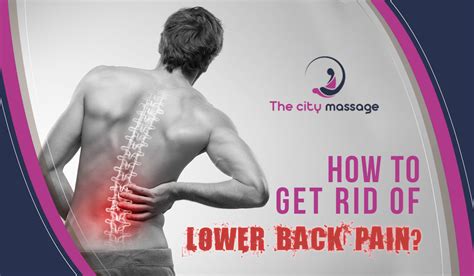
Kati Basti is a unique Ayurvedic treatment specifically designed for the lower back. The technique involves creating a boundary of warm herbal paste around the lower back region, followed by a gentle massage with warm oil. This process helps to deeply nourish and relax the muscles, providing relief from pain and stiffness. Kati Basti is particularly beneficial for individuals suffering from lower back issues, offering a natural and holistic approach to pain management.
Mechanism and Advantages
The warm herbal paste used in Kati Basti serves a dual purpose: it acts as a protective barrier, preventing the oil from spreading, and it also provides a soothing heat therapy. The massage not only relaxes the muscles but also improves blood circulation and lymphatic drainage in the lower back. This treatment is often recommended for conditions like sciatica, degenerative disc disease, and general lower back pain. The warmth and pressure applied during the massage can help release tension and promote healing.
By combining the external application of warmth with the internal benefits of herbal oils, Kati Basti offers a comprehensive approach to lower back care. The treatment can be tailored to individual needs, with different herbs and oils chosen based on the specific condition being addressed.
| Herbal Paste | Benefits |
|---|---|
| Black Gram Paste | Nourishes muscles |
| Sesame Paste | Reduces inflammation |
| Neem Paste | Relieves pain |
Pizhichil: Oil Bath Therapy
Pizhichil, also known as the “oil bath,” is a unique and rejuvenating Ayurvedic treatment. In this technique, warm herbal oil is continuously poured over the body while gentle, rhythmic strokes are applied. This process can last up to an hour, providing a deeply relaxing and nourishing experience. Pizhichil is particularly beneficial for individuals seeking relief from stress, muscle stiffness, and joint pain.
Process and Advantages
The continuous flow of warm oil in Pizhichil creates a soothing and calming effect on the body. The oil, infused with herbs, penetrates deeply into the skin, nourishing the muscles and tissues. This therapy is often recommended for individuals with chronic conditions like arthritis, paralysis, and neurological disorders. The warm oil helps to relax the muscles, improve blood circulation, and reduce inflammation. Additionally, the gentle massage strokes can induce a sense of relaxation and mental clarity.
Pizhichil is a holistic treatment, addressing not only physical ailments but also mental and emotional well-being. The combination of warm oil and massage can help reduce stress, improve sleep quality, and enhance overall vitality. It is often prescribed as a part of a larger Ayurvedic treatment plan, complementing other therapies for optimal results.
keyword1,keyword2,keyword3,Indian massage techniques,Kati Basti,Pizhichil,oil therapy
Udvartana: Detoxifying Massage
Udvartana is an Ayurvedic massage technique with a strong focus on detoxification and weight management. This unique practice involves the use of herbal powders or pastes, which are massaged into the skin in a vigorous, upward motion. Udvartana helps stimulate lymphatic drainage, improve circulation, and reduce cellulite. The massage is particularly beneficial for individuals looking to enhance their skin health and manage their weight naturally.
Herbal Ingredients and Benefits
The choice of herbal ingredients in Udvartana is crucial and depends on the individual’s needs. Common herbs used include ginger, turmeric, and triphala, each offering unique benefits. Ginger, for instance, aids in improving circulation and reducing inflammation, while turmeric is known for its antioxidant and detoxifying properties. Triphala, a blend of three fruits, helps cleanse the body and improve digestion. The massage not only helps remove toxins from the body but also leaves the skin feeling smooth and rejuvenated.
| Herbal Ingredient | Benefits |
|---|---|
| Ginger | Improves circulation, reduces inflammation |
| Turmeric | Antioxidant, detoxifying |
| Triphala | Cleansing, digestive aid |
Shirodhara: Calmness and Clarity
Shirodhara is a soothing Ayurvedic therapy that focuses on the forehead and scalp. In this treatment, a steady stream of warm oil is poured onto the forehead, creating a calming and balancing effect. The oil is carefully selected based on individual needs, and the therapy is often combined with a gentle scalp massage. Shirodhara is renowned for its ability to induce deep relaxation, improve concentration, and reduce stress and anxiety.
Benefits and Experience
The rhythmic flow of oil in Shirodhara has a profound impact on the mind and body. It helps to quiet the mind, reduce mental fatigue, and promote a sense of inner peace. The warm oil not only nourishes the scalp and hair but also enhances blood circulation in the head and neck region. This therapy is particularly beneficial for individuals dealing with insomnia, stress-related headaches, and mental exhaustion. The experience of Shirodhara can leave one feeling rejuvenated, mentally refreshed, and emotionally balanced.
keyword1,keyword2,keyword3,Indian massage techniques,Udvartana,Shirodhara,Ayurvedic therapy
How often should these massages be performed for optimal benefits?
+The frequency of massages depends on individual needs and the specific technique. For general relaxation and well-being, once a week or once every two weeks is sufficient. However, for managing chronic conditions or specific ailments, more frequent sessions, up to 3-4 times a week, may be recommended by a practitioner. It’s essential to consult with a qualified therapist to determine the ideal frequency for your unique situation.,massage frequency,optimal benefits,consultation
Are there any precautions or contraindications for these Indian massage techniques?
+While Indian massage techniques offer numerous benefits, they may not be suitable for everyone. Precautions include avoiding massages during illness or pregnancy without proper guidance. Some techniques, like Marma Therapy, require a skilled practitioner to avoid adverse effects. It’s crucial to discuss your health history and any concerns with a qualified therapist before starting any massage treatment.,precautions,contraindications,qualified therapist
Can these massages be performed at home, or is professional guidance necessary?
+Certain simple techniques like Champi (scalp massage) can be safely performed at home. However, for more complex and therapeutic massages like Ayurvedic massage or Marma Therapy, professional guidance is essential. These techniques require a deep understanding of the body’s energy systems and specific training to ensure safe and effective practice. Consulting a qualified therapist is always recommended for optimal results and to avoid any potential risks.,home practice,professional guidance,safety
What are the long-term benefits of regular Indian massage therapy sessions?
+Regular Indian massage therapy sessions can lead to long-term benefits such as improved circulation, reduced muscle tension and pain, enhanced immune function, and better stress management. Over time, these practices can contribute to overall well-being, promoting a sense of balance and harmony in the body and mind. Consistency in massage therapy can also help maintain optimal health and prevent various ailments.,long-term benefits,circulation,stress management,optimal health